Small island, different maths
On Tenerife or Gran Canaria you fill the calendar with resort traffic. On La Palma and La Gomera it does not work that way. A casa rural inland has four rooms, a guesthouse in Valle Gran Rey has six, and a guide in Garajonay leads groups of eight. Each booking is a large share of the month's income, so a 15-18% commission on a week-long stay stops being "a cost of doing business" and becomes a sum you can see in your bank account.
Then there is the guest. Someone choosing La Palma plans the stay around the trails, the Caldera de Taburiente, the Ruta de los Volcanes and the night sky. A visitor to La Gomera often arrives by ferry from Los Cristianos for just one day. Both read descriptions, compare valleys and happily book directly if the website builds trust and lets them sort everything out on the spot.
Two islands, two different problems
La Palma: guests plan ahead, but look for something specific. "Apartment on La Palma" is not enough. What matters is the valley, the view, the distance to the trail and whether the night is truly dark. A property that describes all this on its own website beats an anonymous listing in a portal's catalogue.
La Gomera: the biggest potential is in day-trip traffic. Many tourists see the island in a few hours and return to Tenerife. Whoever reaches them with a concrete offer, such as "three nights in Valle Gran Rey and a Garajonay hike", can turn a day visit into a week-long return. That needs a website where people can book straight away, not just call.
The common thread is the same: a small property has no sales department, so the system has to work in its place.
What the system must do in a small property
A small scale does not mean simpler requirements, just different priorities.
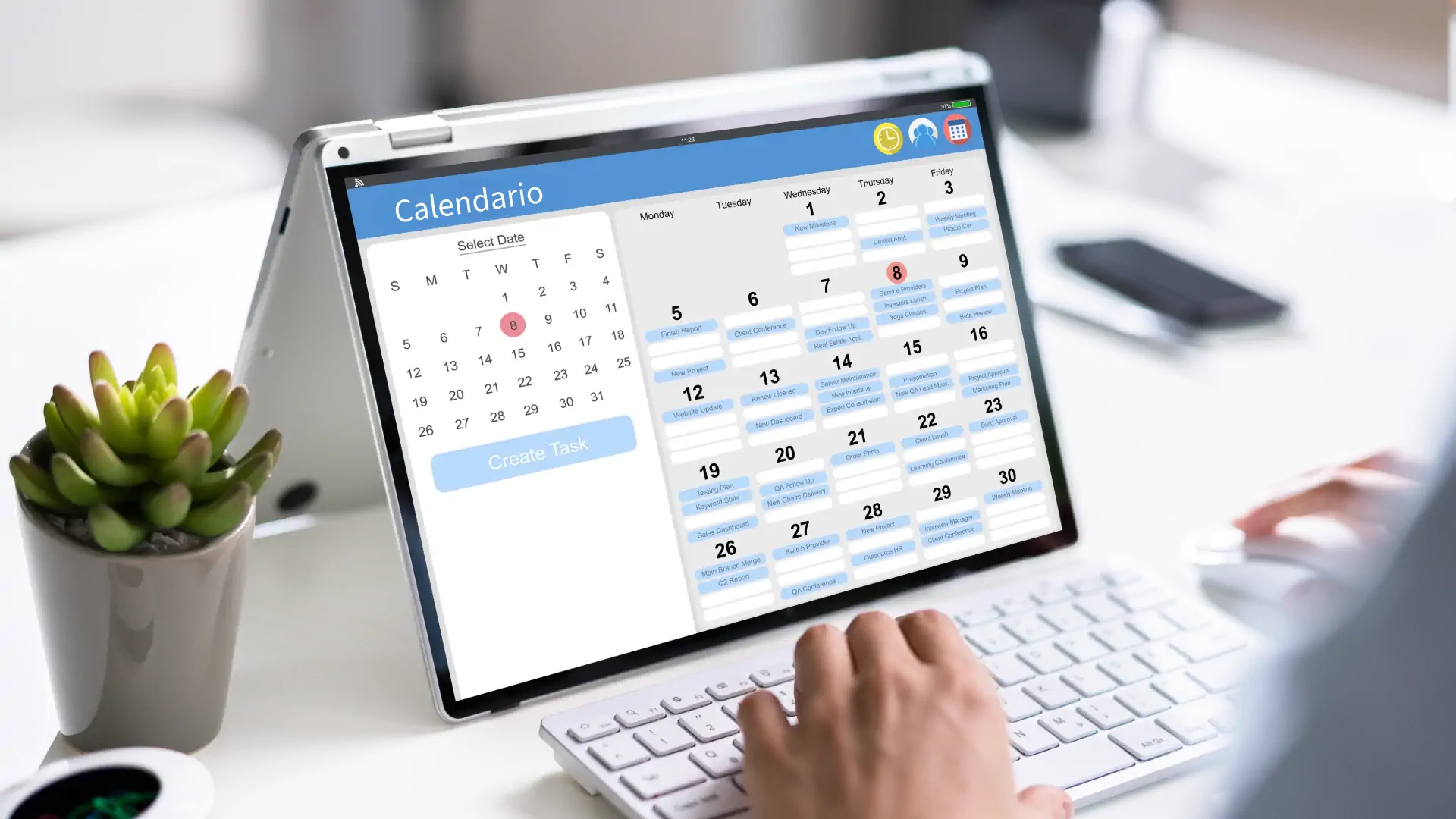
- One calendar, one truth. A room booked by phone is blocked instantly, and calendar synchronisation prevents double bookings while the property is still listed on a portal.
- Deposit as protection. With four rooms, one unsecured booking is a real hole in the week. An online deposit of 20-30% filters out enquiries with no intention to travel.
- Automatic messages with directions. The road to the mountain house, ferry times, the key box code. The guest gets it without you picking up the phone.
- A simple panel. The owner of a house on La Palma does not want to learn a complicated tool. They need a "who arrives this week" view and notes about the guest.
Tours and experiences: seats instead of rooms
On both islands many businesses sell experiences: stargazing evenings, guided hikes, dolphin-watching boat trips. Capacity and weather rule here. A stargazing evening under cloud should not be "cancelled" but "postponed": the system offers participants a new date and the deposit stays in place. The customer does not lose money and you do not lose the customer.
Packages are another topic. A guest who books accommodation will often add a tour or a rental car, because on La Palma a car is essential for getting around. If your booking system lets you add these in one basket, the value of each booking grows without extra advertising.
Visibility: a website with the story of the place
A portal will show your house next to two hundred others. Your own website can show what the guest is looking for: the view from the terrace, the access road, the surroundings, the trails, the seasons and answers to the most common questions. Landing pages for specific places catch searches like "casa rural La Palma with views" or "guesthouse Valle Gran Rey booking", which you will not win with a generic description in a catalogue.
It is also worth covering languages. These islands attract many visitors from Germany, the UK and mainland Spain, so a multilingual site genuinely increases direct enquiries. You will find the indicative cost on the pricing page.
How much does it change? A simple calculation
Take a casa rural with four rooms and 6,000 EUR of monthly income. If half the bookings come through a portal with 15% commission, you hand over 450 EUR a month, about 5,400 EUR a year. Moving even a third of those bookings to your own channel leaves several hundred euros more in your pocket each year, along with the contact of a guest who will come back. Run your own numbers in the commission calculator.
Summary
On La Palma and La Gomera the scale is small, but that is exactly why your own booking channel pays off sooner than it seems. What counts is a calendar that does not double-book, a deposit, automatic messages and a website that tells the story of the place better than a portal listing. You can read more about working with businesses on these islands on the La Palma and La Gomera pages, and about houses and villas on the holiday home system page.
Do you run a casa rural, a guesthouse or tours on La Palma or La Gomera? Write to us via the contact form, describe your property and how you take bookings today, and I will propose a solution sized to your place.