A boat trip isn't a room night — which is why a contact form won't do
A catamaran operator in Puerto Colón sells something very different from an apartment owner. A room is a single unit: it's either free or it isn't. A departure has a seat limit, a fixed sailing time, an assigned boat, a crew on shift and weather that can wreck the plan two hours before everyone meets at the dock.
That's why a "name, email, message" form works even worse here than it does in holiday rentals. The customer wants to know right now whether there are still four seats left for Saturday at 10:00. If they have to wait until the evening, they book with a competitor or through a marketplace that takes 20–25% of every sale. Your own booking flow for boat trips and sea excursions pays off at exactly that moment: when it answers faster than you can pick up the phone.
Three things that break a departure calendar
Before you pick any tool, it helps to name the problems that come back every season in this business.
Boat availability isn't seat availability. One boat can run three departures a day, and each of them has its own capacity. A system that blocks the whole boat after the first booking will sell you a third of what you could sell.
Weather changes the plan, not just the date. A cancelled trip isn't a refund — it's an alternative date sent to every passenger at once, before they start calling you.
Group trips and charters are two different products. A seat on a group departure sells itself in seconds. A private charter needs a conversation about the route, catering and price — and it shouldn't have a "buy now" button.
Seat limits and an assigned boat
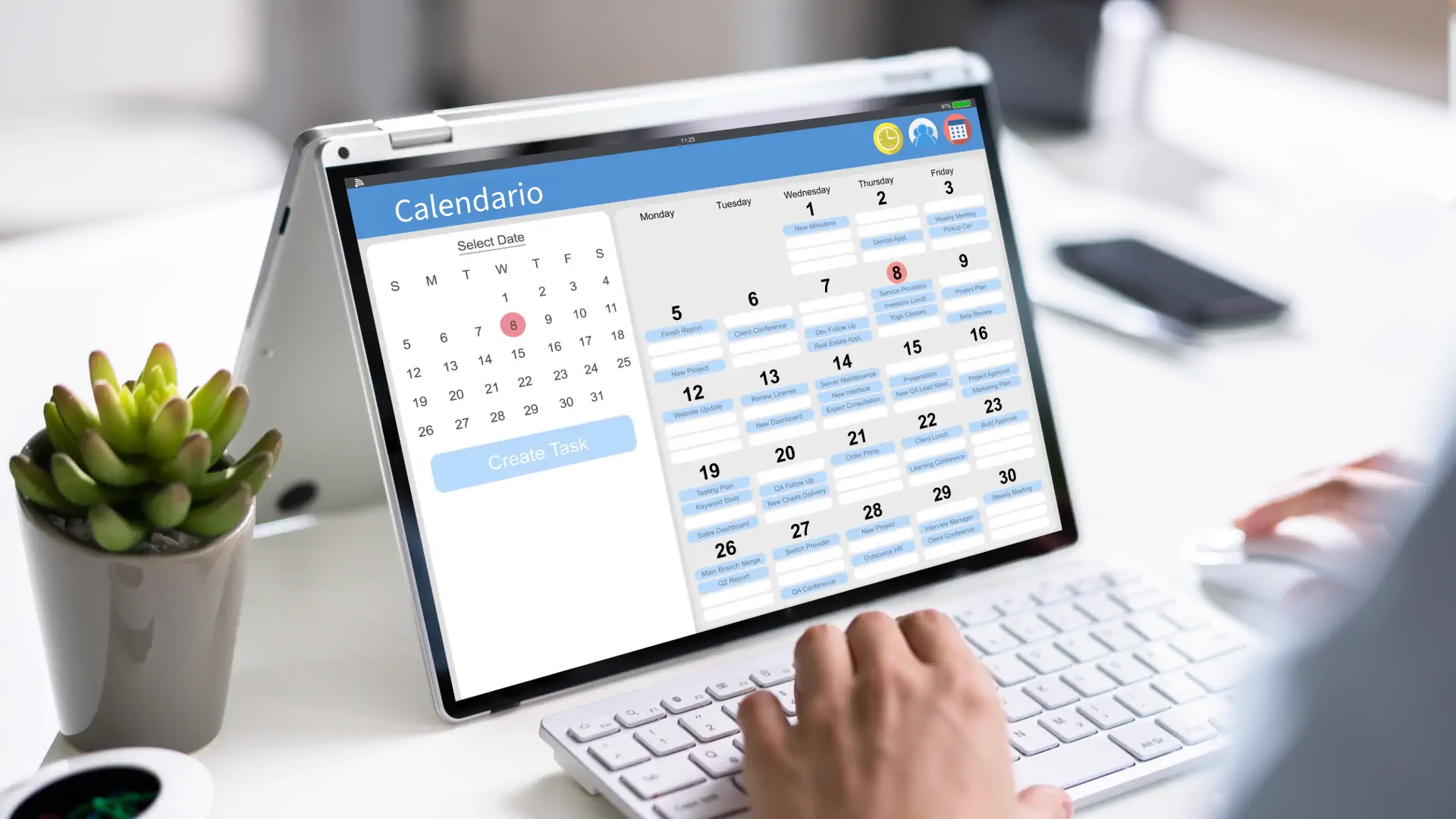
The foundation is a calendar where every departure carries three parameters: trip type, boat and number of available seats. The customer picks a date and a group size, and the system shows real availability — including bookings taken over the phone and maintenance blocks while the boat is out of the water.
The crew sees the same thing in the admin panel: the passenger list for each departure, the languages people speak, notes about children, dietary needs or seasickness. The printed sheet stops being necessary, because the current version lives on the skipper's phone.
Weather: reschedule instead of refund
The most expensive hour of the season is the one you spend cancelling a departure and calling twelve people one by one. Instead, the departure status — open, full, confirmed, postponed, cancelled — should trigger the communication on its own.
You switch the status to "postponed", pick alternative dates, and automated messages go out to every passenger by email and WhatsApp, in their own language, with a link to choose a new date. The difference is very concrete: a good share of the people who get that message within minutes simply move to another day. The ones who find out at the quayside ask for a refund and leave a weak review.
Spell out your cancellation terms during booking: what happens when the weather cancels a trip, what happens when a customer cancels 24 hours before sailing, and what happens when someone misses the meeting time. Those questions will come up anyway — better to answer them first.
Charters as enquiries, deposits as a filter
Private charters work differently: a short enquiry form with the date, group size and preferred route, followed by an individual quote from you. The conversation closes the sale, not a shopping cart — but the enquiry still has to land in the same system so it doesn't get lost in your inbox.
Group departures follow the opposite logic: an online deposit of 20–30% filters out bookings with nothing behind them. Someone who has paid 30 EUR shows up at the dock. Someone who only typed in an email address shows up roughly half the time — and you held the seat for them anyway. Once the payment clears, the system sends a voucher with the harbour location, the pontoon number and the meeting time, which removes most of the "where exactly should we be?" phone calls.
Visibility: one page per trip
A marketplace feels convenient until you add up a full season of commission. To stop depending on it you need traffic of your own, and in this business it comes from very specific searches: "whale watching Tenerife", "boat charter Costa Adeje", "sunset cruise Gran Canaria".
Every one of those trips deserves its own page, with photos of that boat, the route, the duration and an FAQ covering weather, children and refunds. Landing pages for individual trips work all year round, and the booking happens on that same page instead of on someone else's site. The same logic applies across the wider category of tours and activities, where you also sell seats rather than nights.
Summary
Boat trips can be sold directly, as long as the system understands how the business actually runs: seats instead of rooms, boats and crew inside the calendar, weather statuses that trigger messages, deposits as a filter and a separate path for charters. Your own booking system won't replace the marketplace overnight, but every percentage point of sales you move into your own channel stays with you — along with the contact details of a customer who will want to sail again next year.
Do you run boat trips, whale watching or charters in Tenerife, Gran Canaria or Lanzarote and want to sell seats directly? Get in touch through the contact form — we'll go through your departure schedule and work out which capacity limits, statuses and automated messages will bring order to the season.